

Ashley from Olive and Wisteria is sharing her tips on how to reduce food waste, plan your meal, and how to properly store your food. Ashley is environmentally conscious and highly focused on sustainability. Food waste is a significant problem that affects not only our wallets but also the environment. Every year, around one-third of all food produced globally is wasted. It's time for us to think about how to stop wasting food. In this article, Ashley explains how to reduce food waste and how to plan out your meals for the week.
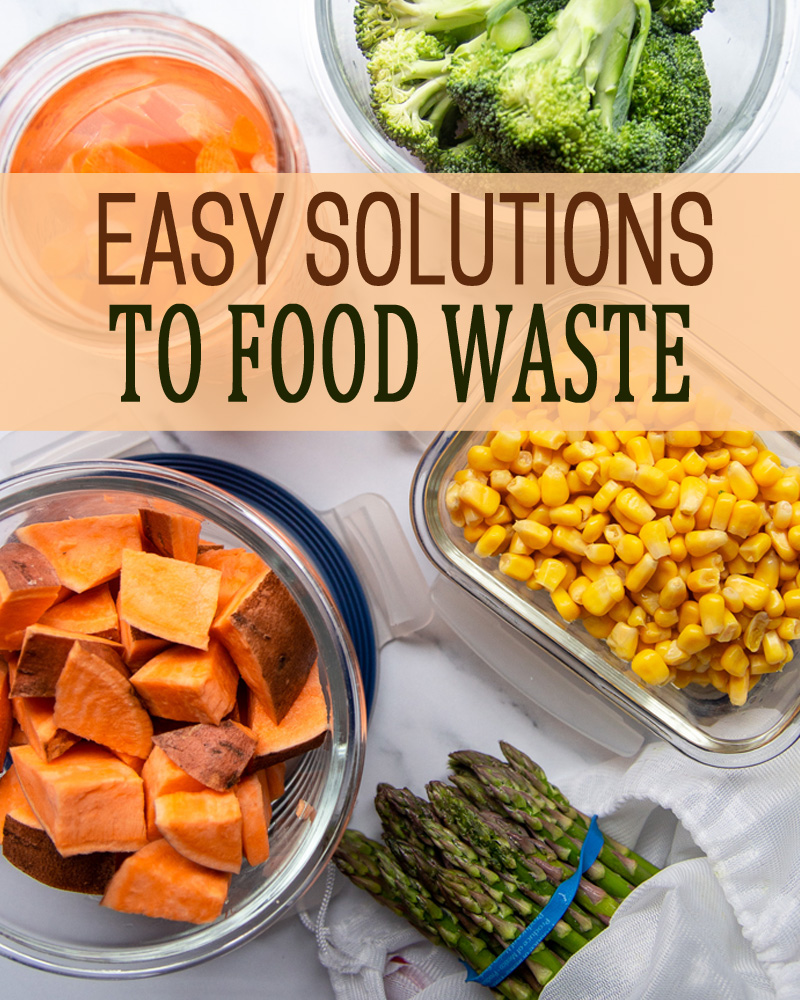
The prospect of having to throw away the food you buy is an unappealing one, especially with the rapidly increasing price of groceries. It may seem inevitable that some of the food you buy will go to waste, but what if there was a way to reduce your waste and with it the eco-anxiety and financial anxiety that you may be feeling? With a bit of planning and the proper tools it is possible to reduce your food waste, making for a happy planet and a happy wallet.
I love food and it makes me cringe when I have to throw it away. As my interest in food and sustainability has blossomed over the years, the war against food waste raging in my kitchen has intensified with it.
I’m sure we can all relate to the narrative about the container of spinach that you had to toss after you picked it up from the store and swore to yourself that you would finish it. It is important to remember that nobody is perfect, but with the right tools and a bit of planning, we can set ourselves - and our food - up for success.
Here are some of the methods that I have found to be truly helpful in reducing the food waste coming out of my kitchen.
Take Some Time to Plan Ahead
I know what you’re thinking - ugh! I need to spend more time thinking about groceries and meals? - and I’m right there with you! But what if I told you that by investing a bit of time each week to plan you’d actually save time in the long run? A bit of planning will save on time spent grocery shopping, on deciding what to make for meals and on food preparation.
Plan Out Your Meals for the Week
I personally find a lot of joy in this practice. I love to sit down on a Sunday afternoon to peruse my pinterest boards and cookbooks to plan out which recipes I want to make throughout the upcoming week, updating my running grocery list as I go (more about that below). Planning out meals has helped me to reduce the time I spend after work deciding what to make for dinner and has helped me to not overbuy when I’m at the store doing the shopping for the week.
Keep a Running Grocery List on Your Phone
Keeping a running grocery list in the notes app on my phone has been key to help keep my grocery shopping organized and focused. It has helped me to reduce my time in the grocery store and to reduce my time deciding what it is that I actually need to buy before I get there. I find that walking into the store without a list in hand can be super overwhelming, resulting in me wandering around wracking my brain for what it is I actually need. If you want to go a step further, you can even organize your shopping list by the sections in the grocery store (produce, meat and dairy, freezer, etc) to help streamline your shopping, but this isn’t necessary.
Take Stock Before You Shop
This goes hand in hand with keeping a running grocery list. Taking stock of what ingredients you do have on hand before you head to the store is key to help reduce the likelihood of duplicate purchases. Think of it this way: if you’re already struggling to finish the one container of spinach you have on hand, why on earth would you want two? Taking stock before you shop can also help with meal inspiration. For example, maybe you have a bunch of beets in your fridge that need to be used and that inspires you to make a beet salad to go with one of your meals for the week.
Learn How to Properly Store Your Food
I’m sure you’ve seen some of the millions of tip videos for storing your food on TikTok and Instagram - I certainly have! Over the years I’ve tried lots of different methods to keep my greens from wilting, my avocados from rotting, and my bread from going stale. Here are some of the best methods I’ve learned.
Organize Your Fridge and Pantry
Organizing your fridge and pantry is a great way to reduce food waste because it makes it easier to keep track of what you have on hand. A great trick I learned is to keep your leftovers at eye level so that they are the first thing you see when you look in the fridge. Keeping all similar items, such as different fruits or dairy products, together also makes it easier to keep tabs on what you already have and what you’ve run out of.
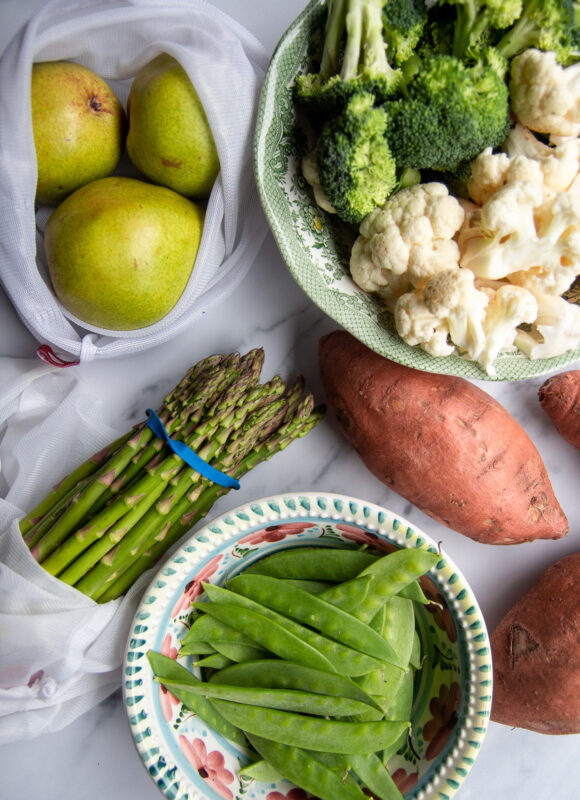
Store Your Fruits and Vegetables Separately
This may seem like an odd tip, but there is a scientific reason as to why you should store your fruits and veggies in separate drawers in your fridge. I won’t dive deep into the science here, but basically, some fruits emit a gas that can speed up the ripening of certain vegetables which reduces their longevity and can lead to spoilage before you’re able to use them up.
Keep Your Vegetables Crisp with Water and Linens
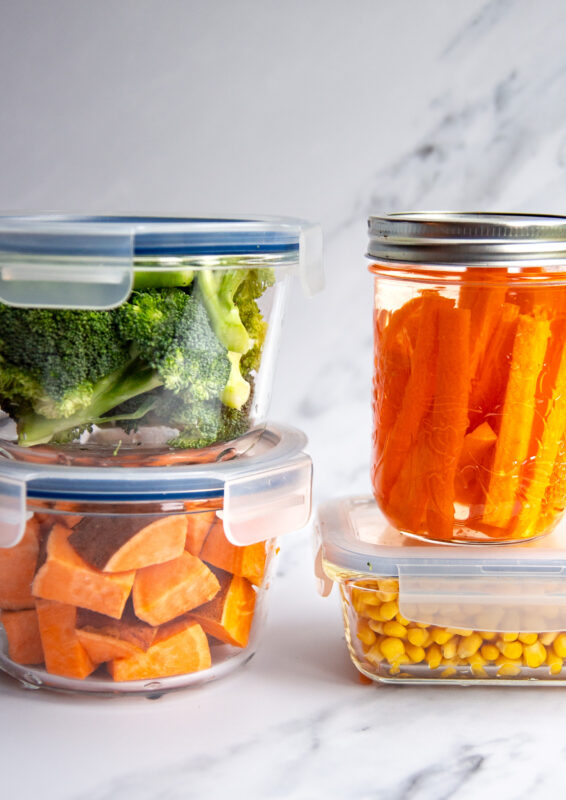
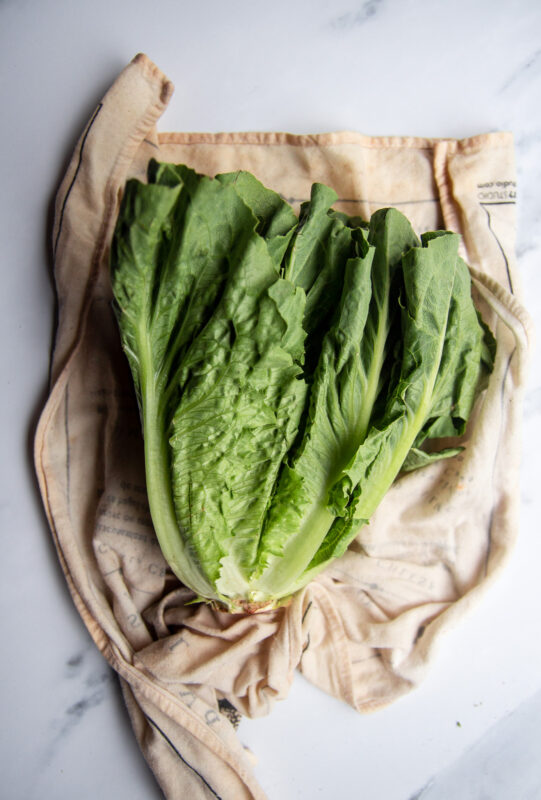
There are plenty of products for keeping your veggies crisp out there on the market, but all you really need are some clean dish towels and a bit of water. Wrapping delicate vegetables like lettuce or herbs in a damp dish towel helps to keep the leaves crisp while still allowing them to breathe, which keeps them from getting slimy. Prepped vegetables such as sliced carrots, potatoes or celery can be kept nice and crisp by storing them in a container or jar with some clean, cold water. Just make sure you change the water periodically if you’re not planning on using the veggies up within a few days!
Invest In Some Food-Saving Staples
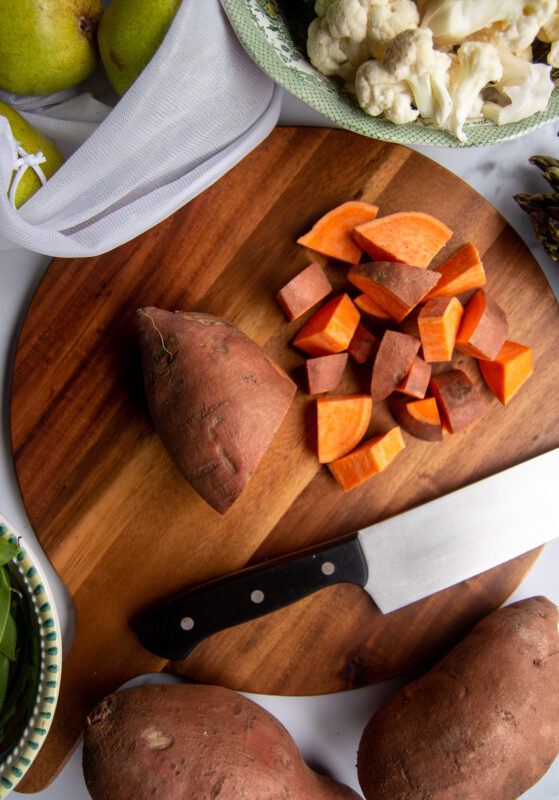
When it comes to increasing the longevity of your food, having the proper tools in place is essential. By no means am I saying that you need to break the bank investing in niche food storage tools, but having a good set of clear containers, glass jars, and reusable food wraps among other things can expedite you on your journey to lowering your food waste. I specifically recommend investing in clear containers (think glass or plastic) because it makes it easier to see the food that you have on-hand in the fridge without having to remove and open the container to check.
It may feel like I’ve inundated you with information, but I promise that as you start to incorporate these tips into your weekly shopping and cooking routine, not only will they become second nature, but you will also notice a reduction in your food waste and, as a result, your weekly grocery expenditure.
Tips to reduce food waste is written by Ashley. Follow Ashley on Instagram and check out her delicious recipes on her website Olive and Wisteria
More Reading:
- 7 Tips to Prevent Food Waste: Bread and Grains
- 10 Ways to Prevent Food Waste: Wasted Fruit and Vegetables
- 10 Tips to Help Canadians Reduce Food and Kitchen Waste

You can unsubscribe any time!






Leave a Reply